
A well-run by-the-glass wine program is one of the most profitable things a restaurant or bar can do with its wine list. It brings in guests who aren't ready to commit to a bottle, encourages exploration, and – when done right – increases wine revenue per head significantly.
But a by-the-glass program only makes money if you manage it properly. Open bottles left to oxidise, staff who can't speak to the list, and pricing that ignores your cost structure will turn a great concept into a slow bleed.
Here's how to build one that works.
1. Start with eight wines, not twenty
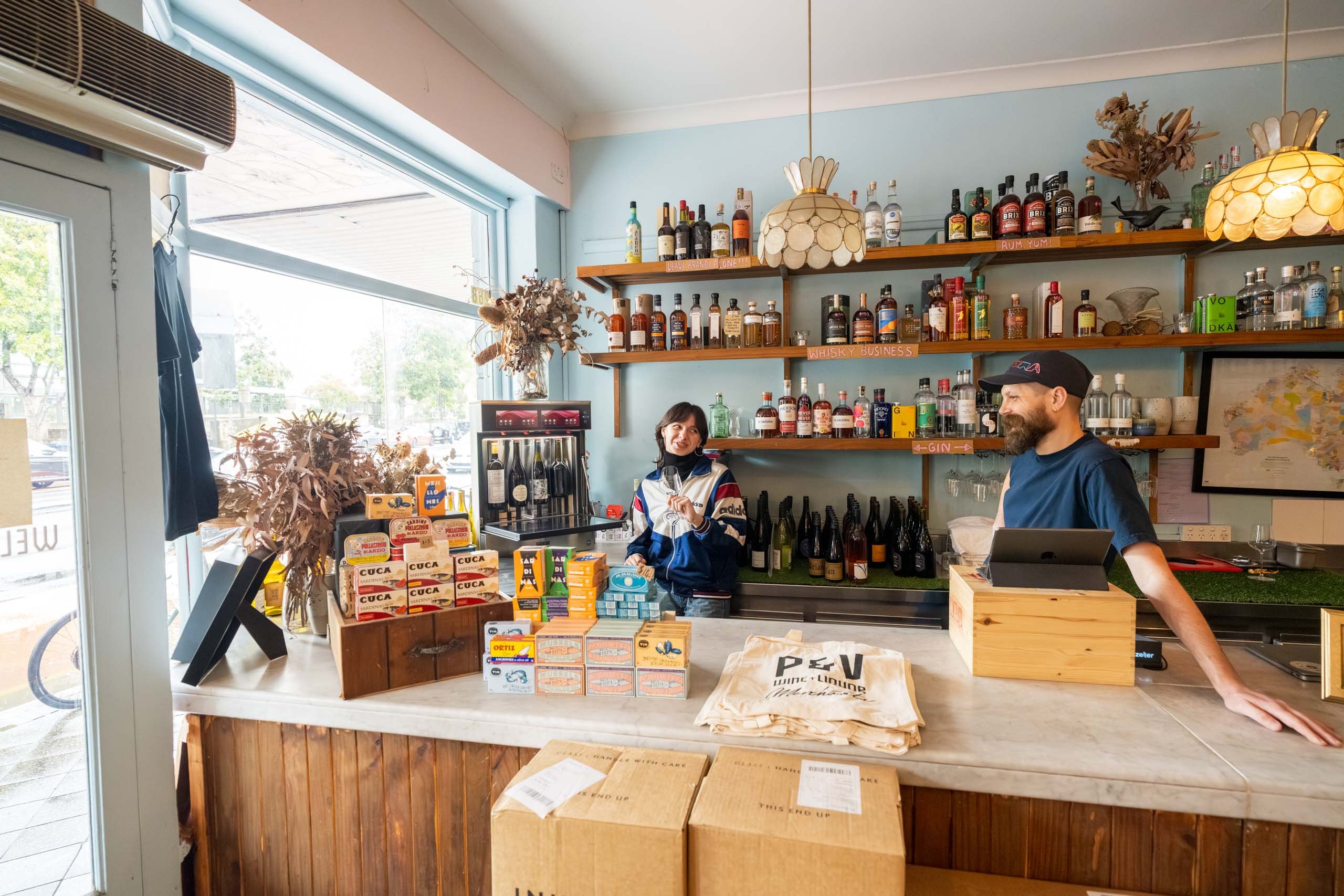
More options don't mean more sales. A by-the-glass program of eight wines, chosen thoughtfully, will outperform a list of twenty that no one can speak to.
A solid eight-wine spread might include: a refreshing white, a fuller white, a rosé, a lighter red, a bolder red, a sparkling option, and one or two wildcards – a skin-contact, a lesser-known variety, something to start a conversation. Rotate the wildcards regularly. Regulars notice, and it gives your staff something new to talk about.
2. Solve the preservation problem
The number one reason by-the-glass programs underperform is waste. An open bottle degrades from the moment you open it – depending on the variety, you might have a day, maybe two, before it's not worth serving.
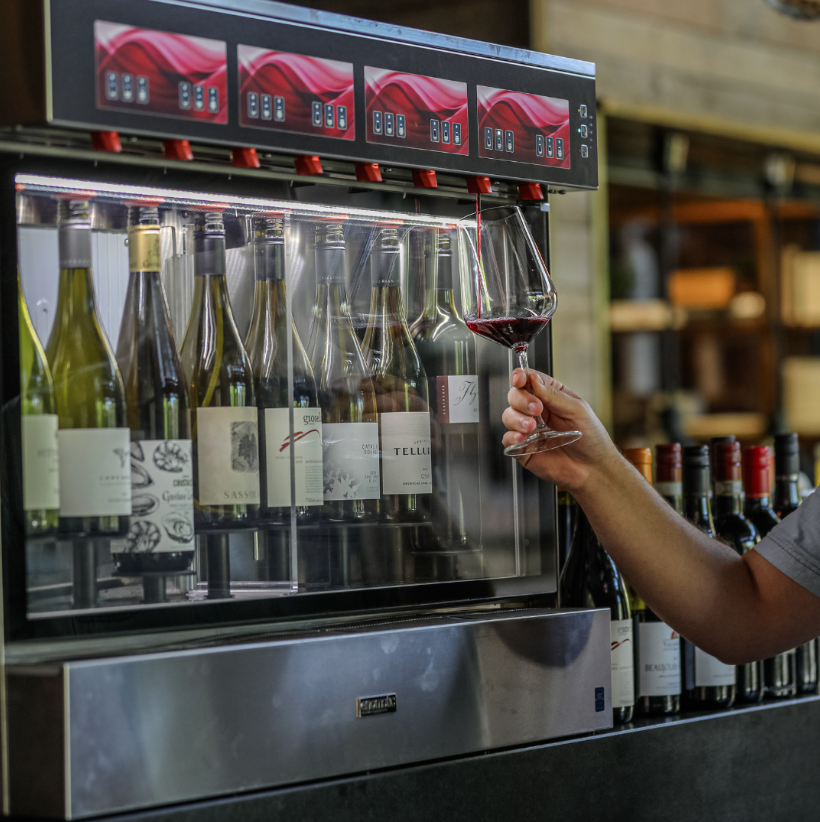
Wine preservation systems that use inert high-purity argon gas change this entirely. Kept under argon, wines stay fresh for weeks. You can open a bottle on a quiet Tuesday and serve the last glass next Saturday without any loss in quality.
Without preservation, you're either limiting your range or writing off bottles. Neither is a good business model.
 3. Lock in your margins with calibrated pours
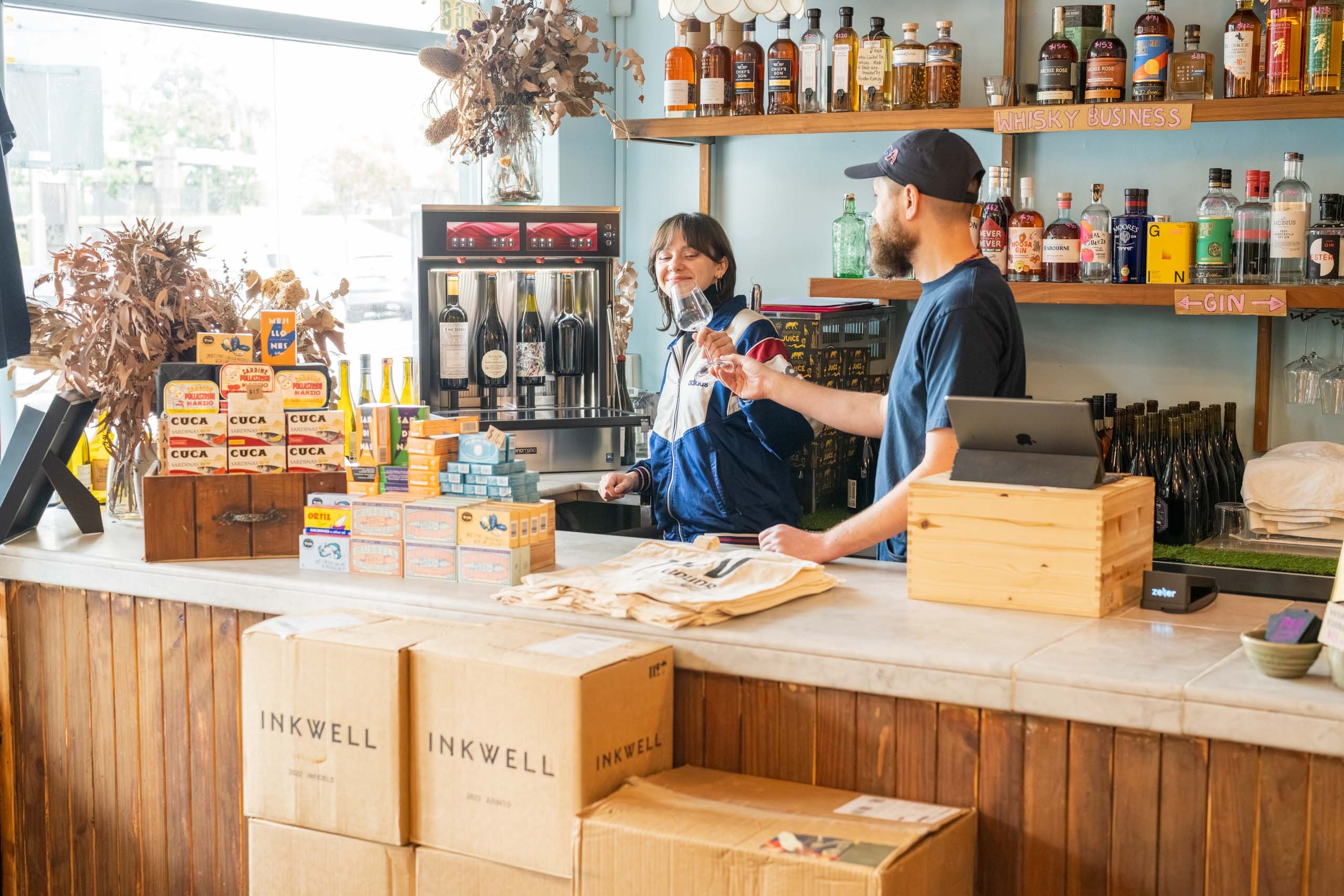
The best wine dispensing systems protect your margins through calibrated pour sizes. Every glass is the same, every time. No over-pouring at the end of a busy shift. No variance between staff.
The wine profit margin you calculate on paper is the one you actually make. This is the part most operators overlook until they run the numbers and realise how much they've been losing to inconsistent pours. Wastage is not just about oxidation.
4. Price by the glass with a clear framework
By-the-glass pricing trips up a lot of operators. Here's a simple approach.
Start with your cost per bottle (your LUC with other expenses, such as freight). Divide this by the number of standard pours (typically 5 glasses of 150ml). That's your cost per glass. A target gross margin on wine by the glass is usually 65–70% – so a $4 cost per glass should be priced at $12–$13.
Price tiers work well: a $10 glass, a $14 glass, and a $20 glass gives guests permission to trade up. Most will land in the middle or above, not at the cheapest option.
5. Build staff confidence
The most important thing you can do for your wine by the glass sales is make your staff comfortable talking about what's on the list. Not sommelier-trained, just comfortable.
Two sentences per wine is enough: where it's from, what it tastes like, what food it suits. Taste through the range together at the start of each week. When a guest asks "what's good by the glass?" and your staff can answer with real enthusiasm, your average spend per table changes.
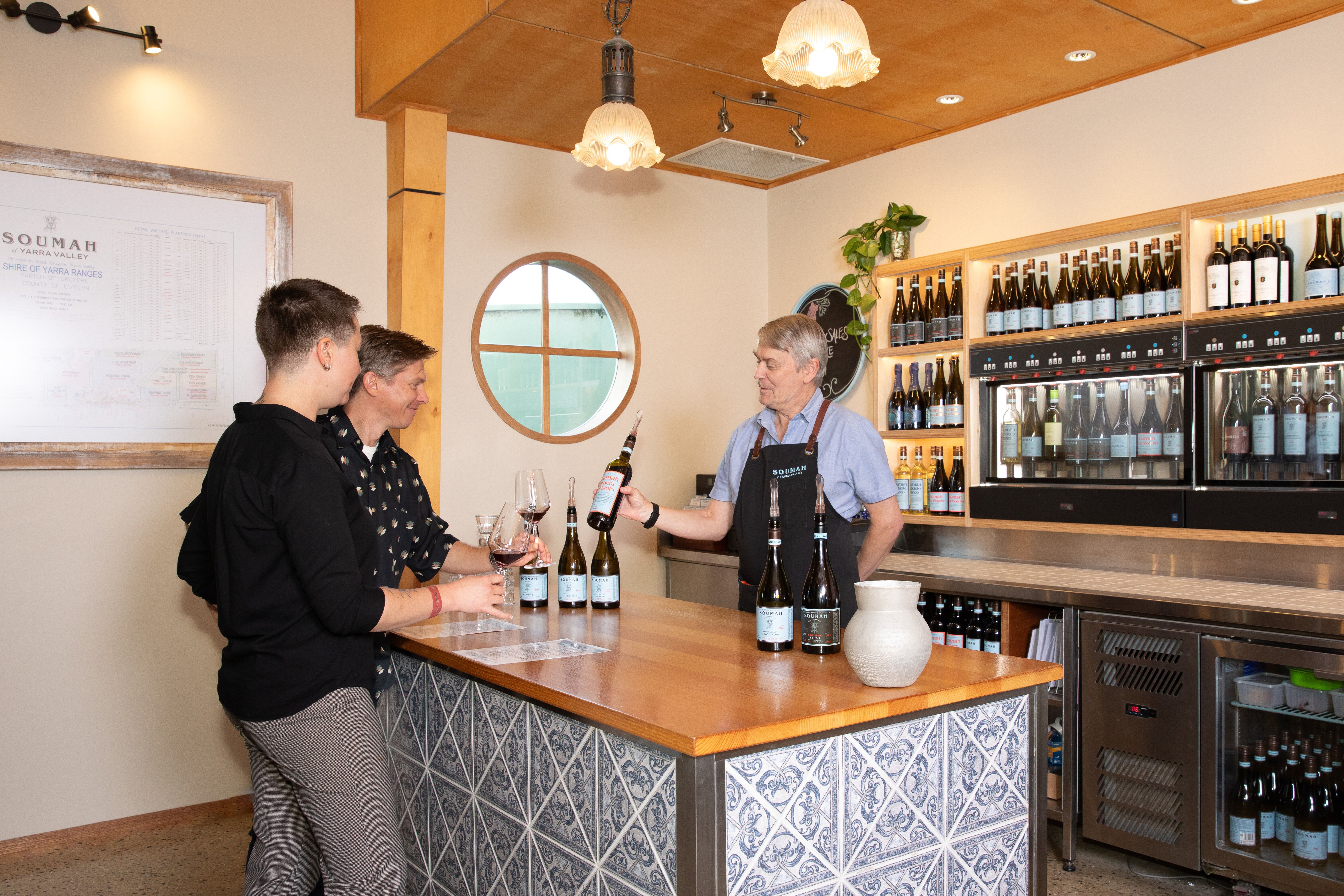
If you're running a dispensing system, make it part of the story: "We keep everything preserved so it's as fresh as when it was opened" is a quick, credible line that builds trust.
 6. Make exploration easy for guests
Describe wines in plain language on your menu – not "elegant with mineral notes and a long finish" but "crisp, dry, great with seafood." People make faster, more confident decisions and feel better for making them.
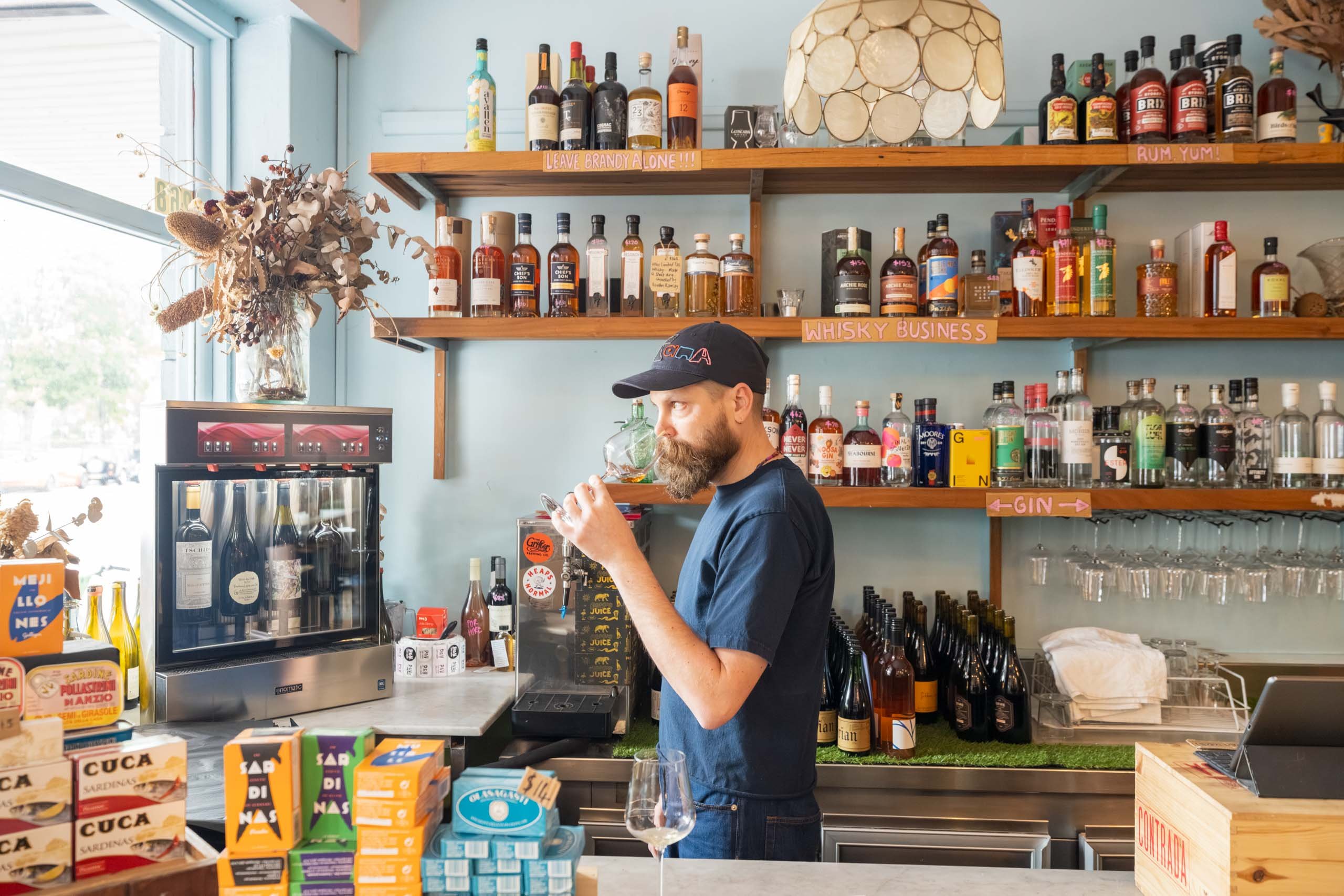
Tasting pours are a powerful tool, whether you charge for them or offer them free. A quick "would you like to try it?" before someone commits removes the risk of a wrong choice, and more often than not leads to a full glass. Loose pairing suggestions ("goes well with the lamb") help guests connect the wine to their meal.
It's the simplest thing in hospitality: give someone a reason to drink better.
 The tool that makes all of this easier
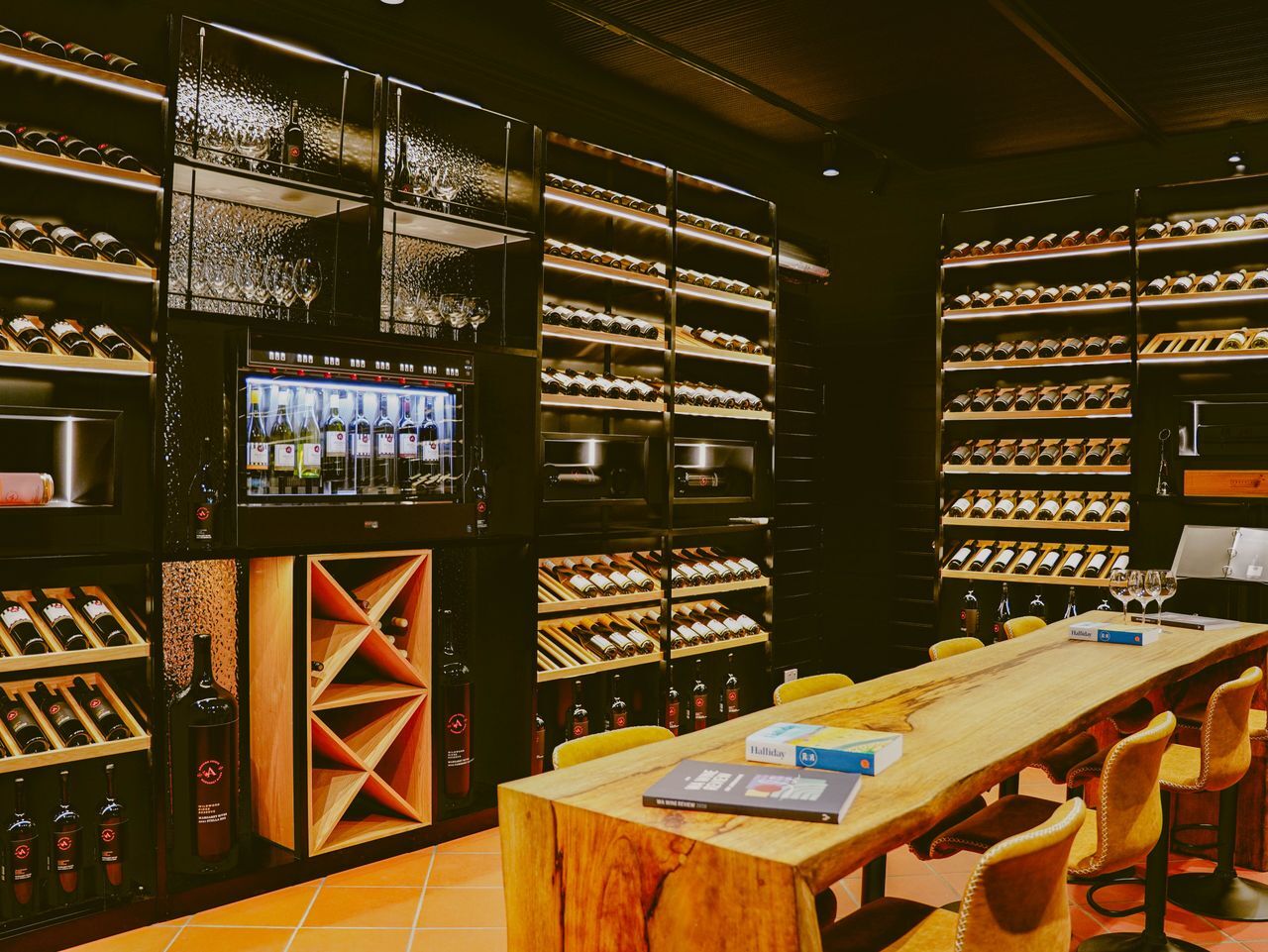
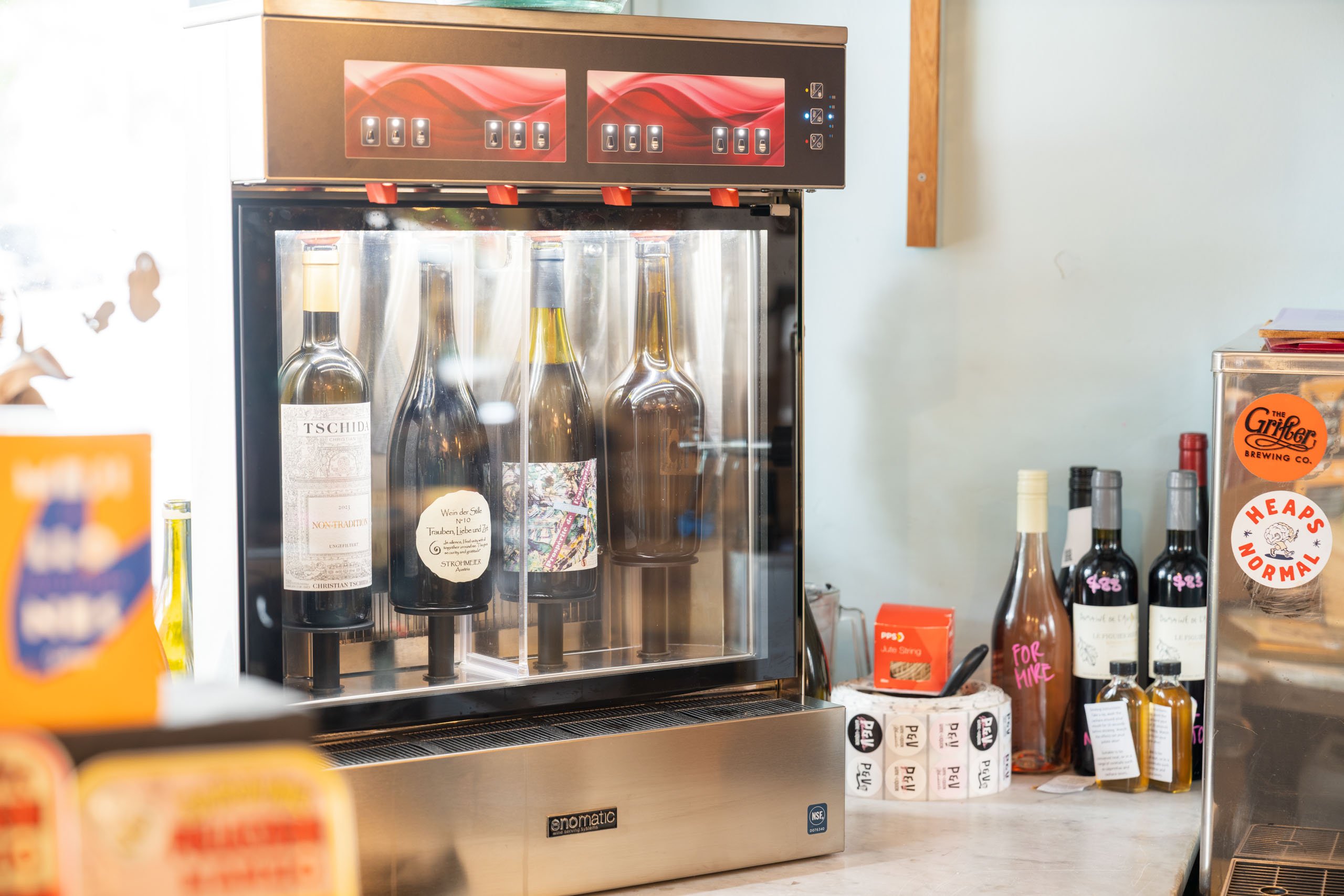
An Enomatic wine serving system brings preservation, calibrated pours, and a self-serve or staff-operated dispensing experience together in one unit. Venues running Enomatics can offer a wider range by the glass, eliminate bottle waste, and serve consistently – without adding complexity for staff.
If you're serious about building a profitable by-the-glass wine program, it's worth understanding what the right system could do for your venue.
Get in touch with Wine Pouring Systems – we'll help you work out whether an Enomatic is the right fit, what configuration suits your volume, and what the numbers actually look like for your business.